Hiring isn’t just a tactical decision—it’s one of the most powerful levers for long-term business success. These carefully selected quotes about hiring reveal timeless truths about talent, culture, and leadership that every HR professional should revisit. Let them challenge your assumptions—and guide your next great hire.
Table of Contents
- Quotes About Hiring: Why They Still Matter in a Data-Driven World
- Setting the Stage: The Art and Science of Hiring
- Attitude Over Skills
- Hiring Is a Long-Term Investment
- Character Is Non-Negotiable
- Flexibility Wins Top Talent
- Bad Hires Are Expensive
- Mediocrity Is the Real Risk
- Empower Your People
- Great Leaders Pick Great Teams
- Culture Is Built One Person at a Time
- The Right People Are Your Greatest Asset
- Hiring Should Be a Team Effort
- A Limo Only Moves If It’s Working
- Move Fast—But Hire Smart
- Hire Smart People—Then Get Out of Their Way
- Prioritize Character, Then Build Skill
- Developing People Is the Strategy
- People Make the Dream Work
- A Bad Hire Shuts the Door for Others
- From Inspiration to Implementation: Use These Quotes to Build a Better Team
Quotes About Hiring: Why They Still Matter in a Data-Driven World
In today’s hiring landscape, algorithms, assessments, and analytics dominate the conversation—and for good reason. But beneath the data lies a timeless truth: hiring is ultimately about people. That’s why quotes about hiring from world-class leaders and thinkers still resonate. They capture the nuance, the stakes, and the responsibility that come with every hiring decision.
Forbes magazine is a frequent source of influential quotes about hiring and leadership, shaping business thinking on workforce diversity, talent management, and leadership principles.
Whether you’re building a team of 5 or scaling a workforce of 500, the principles behind each of these quotes are as relevant as any metric. When paired with a data-driven approach—like OAD’s behavioral assessments—they become more than inspiration. They become strategy.
Setting the Stage: The Art and Science of Hiring
Hiring isn’t just a function—it’s a craft. As Steve Jobs once said, “Hiring the best is your most important task.” And he was right. Building a great team starts with recognizing that hiring the right people is both an art and a science—one that defines your culture, influences your results, and shapes your company’s future.
The art lies in understanding your organization’s unique DNA—your company’s values, vision, and culture—and identifying people who will thrive within it. The science lies in using a data-driven approach to uncover candidates whose behavioral patterns align with your long-term business goals. As Bill Gates put it, “Hiring great people is the most important thing you can do as a leader.”
When companies combine instinct with insight—especially through tools like behavioral assessments—they make hiring decisions that go beyond résumés. They hire people who push teams forward, fit the company culture, and help create a more sustainable business. And in a competitive market for top talent, mastering both sides of hiring is what separates good teams from great ones.
Attitude Over Skills
“You don’t hire for skills, you hire for attitude. You can always teach skills.”
— Simon Sinek
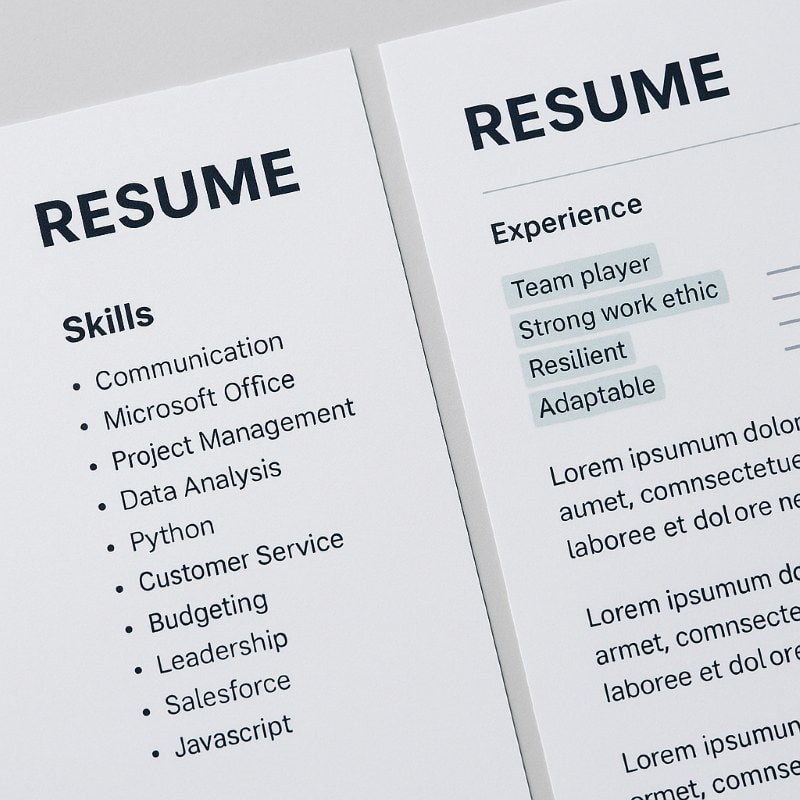
Simon Sinek’s insight captures what many hiring managers learn the hard way: technical skills can be trained, but mindset is much harder to mold. A candidate with a growth-oriented, collaborative attitude can elevate your entire team. But one with the wrong outlook—no matter how skilled—can quietly erode culture, morale, and momentum.
That’s why leading HR teams are shifting from a purely resume-based hiring process to one that measures behavioral alignment. Tools like OAD’s psychological survey help you assess whether someone brings the right attitude for your company’s values, not just technical ability.
Hiring Is a Long-Term Investment
“The secret of my success is that we have gone to exceptional lengths to hire the best people in the world.” — Steve Jobs
Steve Jobs understood that every hire either amplifies or dilutes your company’s potential. At Apple, they didn’t just fill roles—they hunted for outstanding people who could think differently, execute at a high level, and challenge the status quo. That philosophy isn’t limited to tech giants; it applies to any company serious about scaling with purpose.
Too many businesses settle for “good enough” hires due to time pressure or lack of clarity. But having hired the right people is crucial for long-term success, as it ensures your team is aligned with your vision and culture. Great companies—like Apple—build processes that consistently attract and vet top talent. OAD’s behavioral insights help you go beyond the résumé and hire individuals who reflect your vision, values, and long-term business goals.
Character Is Non-Negotiable
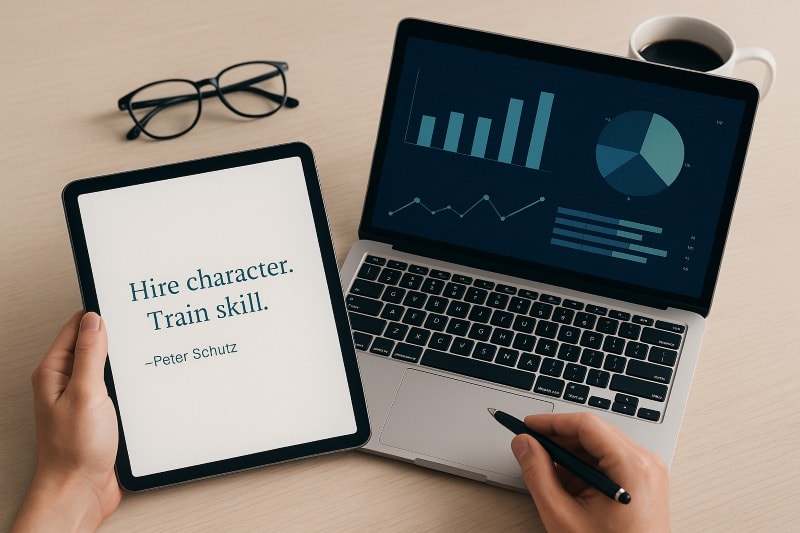
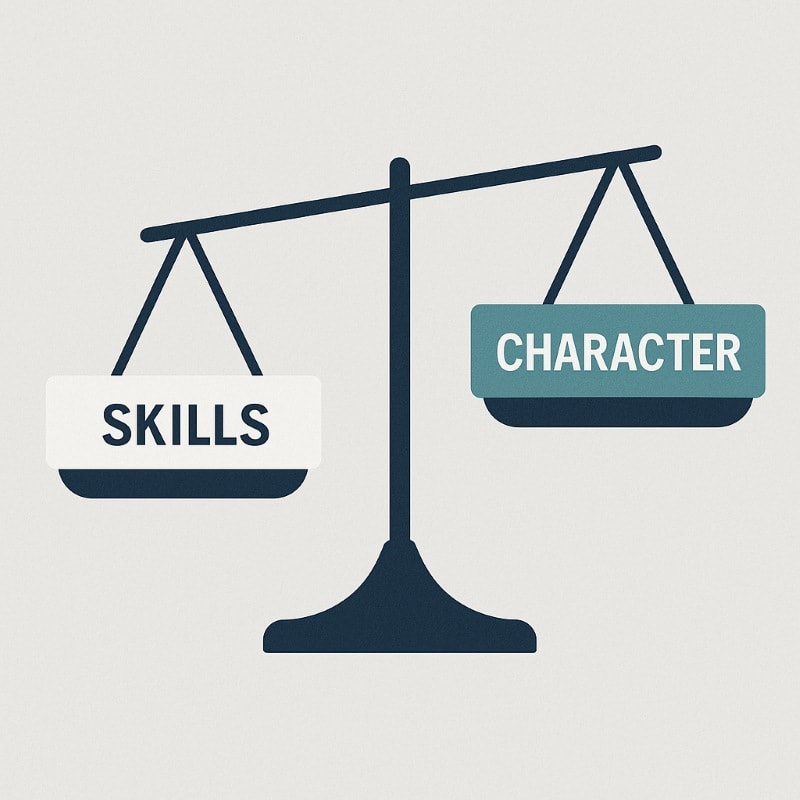
“Hire character. Train skill.”
— Peter Schutz
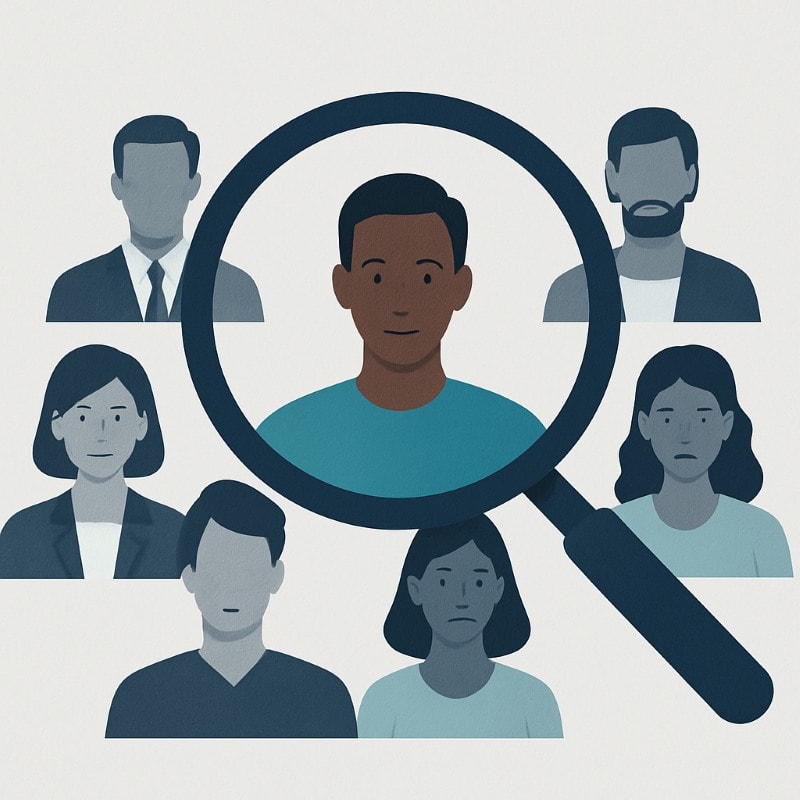
Skills evolve. Technology changes. But character—integrity, accountability, work ethic—is remarkably stable. Peter Schutz’s philosophy reminds us that while you can always upskill a team member, you can’t teach honesty or self-discipline. These traits either show up early in the hiring process—or cause major issues later.
For companies with growing teams, hiring for character is what builds trust across departments. It fosters psychological safety and reduces friction. Behavioral assessments like OAD’s are designed to surface character-aligned traits early, helping you avoid expensive mismatches and build a team that lives your company’s values.
Flexibility Wins Top Talent
“The competition to hire the best will increase in the years ahead. Companies that give extra flexibility to their employees will have the edge.” — Bill Gates
Hiring the right talent isn’t just about finding qualified candidates—it’s about attracting them in the first place. Bill Gates understood that top performers don’t just look for high pay or prestige—they look for autonomy, flexibility, and a culture that respects their time and well-being.
This is especially true post-pandemic, as expectations around remote work, flexible hours, and work-life balance have shifted. Good wages are also a key factor in attracting and retaining top talent. If your company doesn’t offer these things, the most successful people will simply go elsewhere. The solution? Build a hiring process that not only screens for top talent—but also positions your company as a wonderful place to grow.

Bad Hires Are Expensive
“Hiring the wrong people is the fastest way to undermine a sustainable business.” — Kevin J. Donaldson
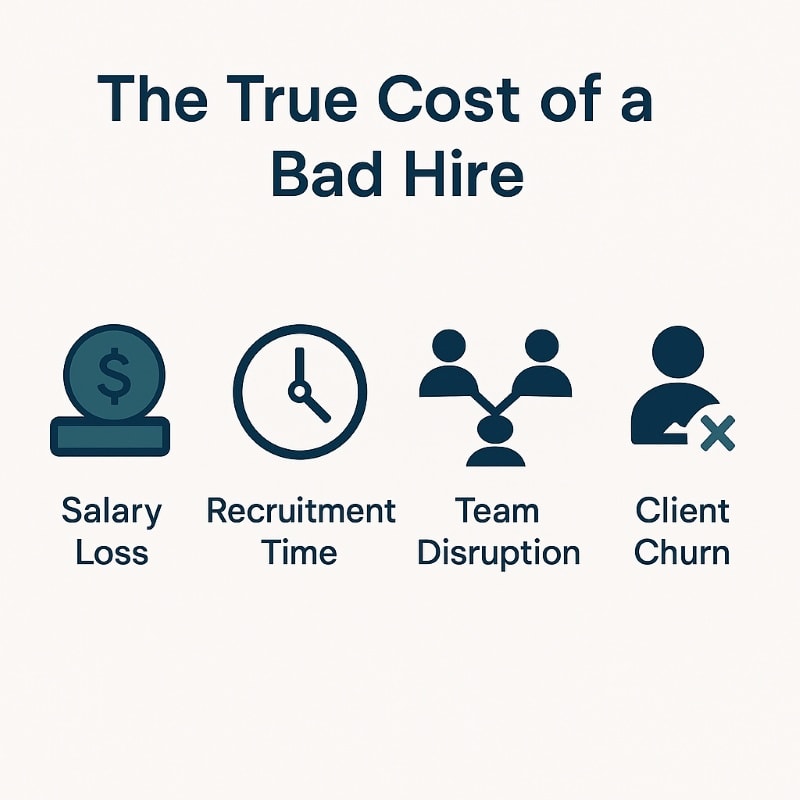
A single bad hire can ripple through your organization—derailing projects, draining morale, and driving up turnover. For HR leaders focused on sustainable business practices, the lesson is clear: a rushed hiring process today creates costly cleanup tomorrow. Human resources plays a central role in preventing these costly hiring mistakes by ensuring talent acquisition and retention align with business goals.
Gallup estimates that a bad hire can cost up to 150% of the employee’s annual salary, especially in mid- to senior-level roles. And yet, many companies still rely on gut instinct alone when making hiring decisions. OAD’s data-driven approach helps prevent these misfires by predicting not just performance, but alignment with company culture and team dynamics.
Mediocrity Is the Real Risk
“If you think it’s expensive to hire a professional, wait until you hire an amateur.” — Red Adair
Many companies hesitate to invest in premium talent, especially during periods of rapid growth or budget pressure. But Red Adair’s quote is a sharp reminder: cutting corners on hiring almost always costs more in the long run. Amateurs may come cheaper—but they also bring more errors, missed deadlines, and management headaches.
Building a mediocre company happens one compromise at a time. To avoid that, leaders must commit to consistently hiring people who not only have technical skills, but also the initiative, maturity, and self-awareness to grow with the business. Ensuring the right person is matched to the right job is essential for avoiding mediocrity and fostering organizational success. Tools like OAD help you distinguish high performers from high-maintenance hires—before they ever sign an offer.

Empower Your People
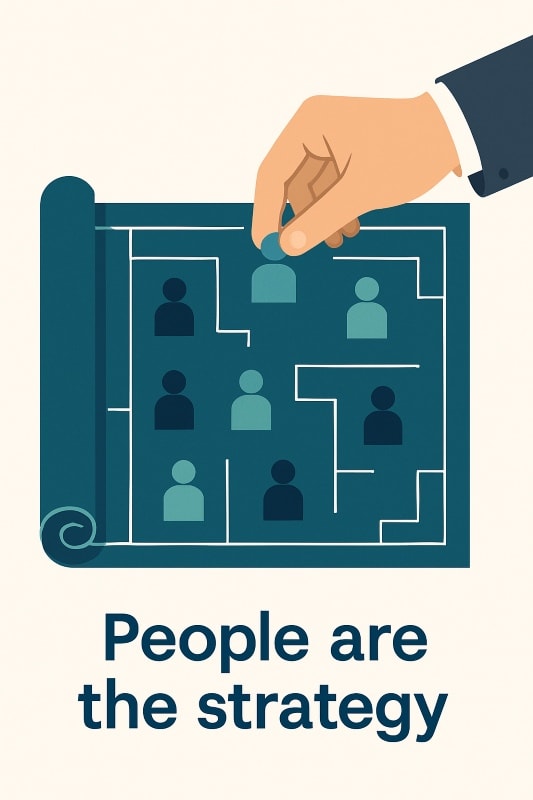
“An organization becomes the people it hires, not the plans it makes.” — Jim Collins
It doesn’t matter how visionary your strategy is if the wrong people are executing it. Jim Collins, author of Good to Great, makes it clear: success comes down to who’s on the team. The best business plans fail when handled by the wrong hires—and average plans can thrive in the hands of the right people.
This is where collaborative hiring and behavioral alignment become strategic advantages. When you use tools like OAD to assess not just skills but deeper traits—like autonomy, decision-making, and interpersonal style—you hire with clarity. Hiring the right people means leaders can manage less and trust their teams to deliver results, rather than resorting to micromanagement. Over time, that clarity shapes culture, performance, and ultimately, the success of the business.
Great Leaders Pick Great Teams
“The best executive is the one who has sense enough to pick good men to do what he wants done, and self-restraint enough to keep from meddling with them while they do it.” — Theodore Roosevelt
Leadership isn’t about doing everything yourself—it’s about surrounding yourself with the right people and letting them thrive. Roosevelt understood that hiring is the most important decision a leader makes. The best leaders aim to hire people brighter than themselves and empower them to succeed. It’s not just about delegation—it’s about trusting your team to execute without micromanagement.
For modern executives, this means hiring for ownership and judgment. With OAD, you can assess candidates for decision-making style, independence, and leadership potential—critical traits for any role that requires autonomy. The right hires move your business forward. The wrong ones keep you stuck in the weeds.

Culture Is Built One Person at a Time
“You build a company by hiring people who reflect your values.” — Howard Schultz
Culture isn’t what you write on the walls—it’s who you hire. Howard Schultz, the former CEO of Starbucks, knew that every hiring decision either strengthens or weakens the fabric of a company’s culture. Even one misaligned hire can create friction, drain momentum, or send the wrong signal to the rest of your existing team.
That’s why modern HR leaders prioritize cultural fit just as much as technical qualifications. With behavioral tools like OAD, you can define the traits that align with your company’s values—and screen for them consistently. You should hire only those people who truly reflect your company’s values. This doesn’t just protect your culture. It scales it.
The Right People Are Your Greatest Asset
“The right people, not just people, are the most important asset.”
— Jim Collins
Hiring isn’t about headcount—it’s about alignment. Jim Collins reminds us that successful teams aren’t built by simply filling roles, but by choosing people who match your company’s values, elevate your existing team, and help execute on your business goals.
This is where collaborative hiring adds real value. When you involve multiple stakeholders in the decision, you gain diverse perspectives that help spot both talent and red flags—early.

Hiring Should Be a Team Effort
“I’m convinced that nothing we do is more important than hiring and developing people.”
— Lawrence Bossidy
Bossidy’s quote captures the weight of every hiring decision. When hiring is treated as a shared responsibility—not just an HR function—it leads to better decisions and stronger cultural alignment.
Steve Jobs also championed this mindset: involve your team, trust their input, and never compromise on fit. The result? A sustainable business driven by people who believe in your mission—and in each other.
A Limo Only Moves If It’s Working
“If the limo breaks, you’re not going anywhere—hire people who keep things moving.” — Unknown
Your company might have a sleek exterior, a bold vision, and top-tier strategy—but if the engine (your team) fails, the whole thing stalls. This anonymous quote is a reminder that success depends on operational consistency, not just big ideas. And that consistency comes from people who push ahead when things get tough.
Hiring dependable, proactive individuals ensures your business runs at full speed. It’s not always about flashy résumés—it’s about people who show up, solve problems, and make things happen to keep the business moving forward. These are the people who support the collaborative hiring process from the inside. That’s the kind of talent OAD is built to help you find.

Move Fast—But Hire Smart
“If we weren’t still hiring great people and pushing ahead at full speed, it would be easy to fall behind and become a mediocre company.”
— Bill Gates
In today’s fast-paced market, the window to hire top talent doesn’t stay open for long. Bill Gates understood that speed is a strategic advantage—companies that hesitate risk falling behind. But that doesn’t mean rushing blindly.
Smart urgency means having a streamlined hiring process that helps you make confident, informed decisions—quickly. Behavioral tools like OAD support this by removing guesswork and surfacing the right candidates faster, without sacrificing cultural fit or long-term business goals.
Hire Smart People—Then Get Out of Their Way
“It doesn’t make sense to hire smart people and tell them what to do; we hire smart people so they tell us what to do.”
— Steve Jobs
Hiring isn’t about control—it’s about trust. Steve Jobs built one of the world’s most innovative companies by surrounding himself with smart people who challenged the status quo. Great hires don’t just execute—they lead.
That’s why modern hiring isn’t just about credentials. It’s about identifying people who bring initiative, perspective, and a bias toward action. With the right behavioral insights, you can confidently hire people who push ahead and help your company grow from the inside out.

Prioritize Character, Then Build Skill
“Hire character, train skill.”
— Peter Schutz
A résumé tells you what a person can do. Character tells you how they’ll do it. Peter Schutz reminds us that attitude, resilience, and integrity can’t be taught—but they make all the difference in team performance and long-term success.
Using behavioral tools like OAD, companies can evaluate these traits early in the hiring process—reducing the risk of mismatches and building teams that reflect the company’s values from day one.
Developing People Is the Strategy
“Hiring and developing people is more important than any business strategy.”
— Lawrence Bossidy
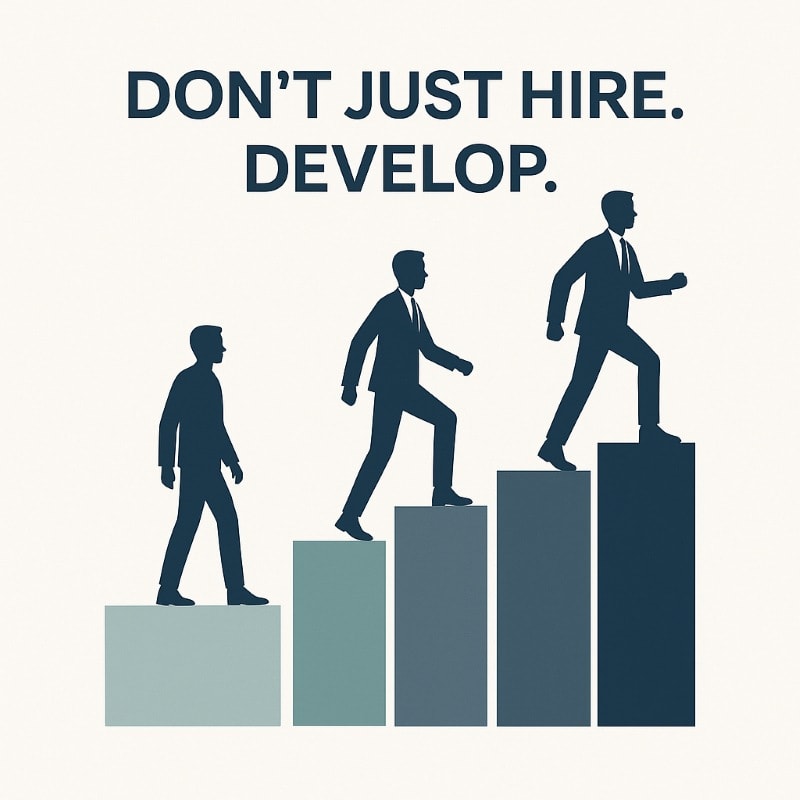
You don’t just hire for today—you hire for what’s next. Lawrence Bossidy understood that the best teams are built through continuous growth, not just smart recruitment. Hiring the right people is step one. Developing them into future leaders is what sustains a successful business.
This is why top HR leaders treat talent development as a strategic pillar—not a side project. When new hires are supported and stretched, they become the very drivers of innovation and culture.
People Make the Dream Work
“You can dream, create, design, and build the most wonderful place in the world, but it requires people to make the dream a reality.”
— Walt Disney
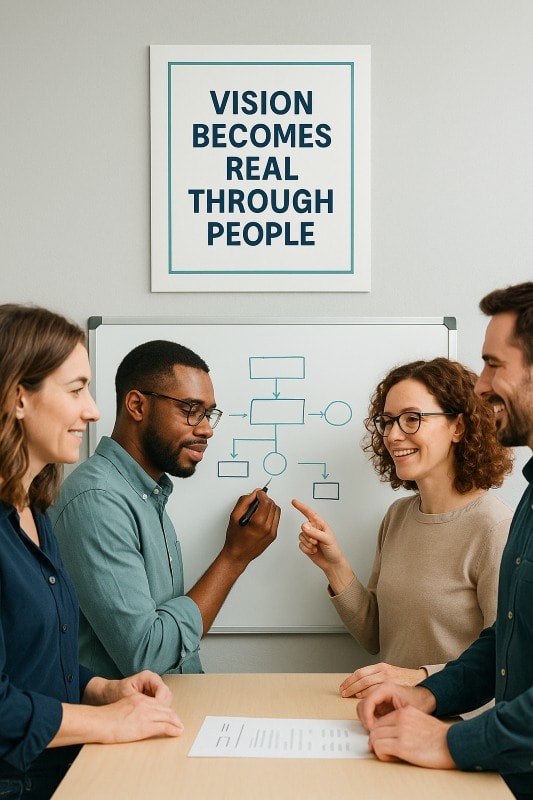
No matter how visionary your company’s strategy, product, or brand—it’s your people who bring it to life. Walt Disney knew that execution depends on the individuals behind the curtain, making things happen day after day.
That’s why hiring the right people isn’t just a tactical move—it’s a mission-critical one. With behavioral clarity, you can build a workforce that shares your vision and turns ideas into impact.
A Bad Hire Shuts the Door for Others
“Hiring the wrong person closes the door to someone great.”
— Unknown
Every time you extend an offer, you’re not just choosing who joins your team—you’re choosing who doesn’t. This quote captures the opportunity cost baked into every hiring decision. When the wrong person takes the seat, the right one walks away—or never gets the chance.
That’s why smart hiring isn’t just about filling roles quickly. It’s about slowing down to hire the right person, the one who brings energy, alignment, and long-term value. Using a behavioral lens like OAD’s helps you spot that person earlier—keeping the door open to true impact players.

From Inspiration to Implementation: Use These Quotes to Build a Better Team
Hiring isn’t just an HR function—it’s a strategic, high-leverage decision that shapes your company’s future. The quotes about hiring you’ve just explored highlight timeless truths: hire for attitude, invest in character, and never settle for mediocrity. But insight alone isn’t enough. Execution matters.
It’s important to recognize the most dangerous leadership myth—the belief that leaders are born, not made. This dangerous leadership myth overlooks the fact that leadership is not determined solely by a genetic factor, but is developed through experience, training, and continuous growth. Drawing inspiration from thought leaders like Henry David Thoreau, who championed authenticity and passion, and theoretical physicists such as Einstein, who valued imagination and innovation, as well as the insights of co-founders who shape company culture, reinforces the value of learning and diverse perspectives in hiring.
That’s where a data-driven approach becomes your edge. With OAD’s scientifically validated behavioral assessments, you don’t have to guess who fits your team—you’ll know. Because the right person doesn’t just fill a seat. They fuel performance.
Test OAD for free today and see how science-backed hiring can transform your team from the inside out.